
India Rolls out e-Passport: Key Benefits, How to Apply Online, Who Can Apply, and more

India has made significant advances in travel document modernization with e-passports in India, which take secure and efficient international mobility into a new era. E-passports are next-generation passports that contain an electronic chip that is used to store the holder’s biometric and demographic information, all of which is protected by global advanced encryption to ensure that it is not accessed by unauthorized means.
Table of Contents
E-passports will support the verification of a person’s identity and are designed to break down passports as an unnecessary task in the immigration lines to promote secure, safe, and efficient travel. This comprehensive blog will cover everything that you need to know about e-passports in India: their main advantages, eligibility, how you can apply for your e-passport online, and how verified digital passport checkers can help to verify passport authenticity.
What is an Indian e-passport?

An ePassport is a new form of passport containing an RFID chip that securely holds a person’s biometric and personal information. The RFID chip is compliant with International Civil Aviation Organization (ICAO) specifications, which makes it machine-readable and accepted by automatic border control systems throughout the world. The ePassport was created by the Ministry of External Affairs (MEA) and fundamentally improved the old booklet passports with improved security, enhanced immigration clearance, and improved resistance against advanced tampering or identity fraud.
What Information Is Stored on an e-Passport?
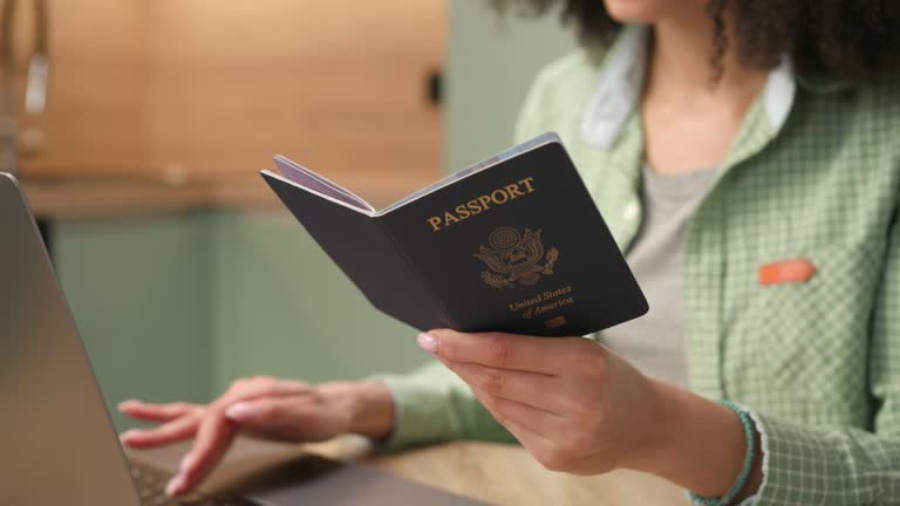
E-passports in India contain the following information in their chip:
- Holder’s name, gender, date of birth, and address
- The passport number, its issue, and expiry date
- Digitalized photograph and biometric fingerprint information
- A digital signature for verification
- An electronic key to determine tampering or cloning attempts
This degrading biometric identity program supports international travel better and provides greater accuracy and international consistency.
Key Benefits of the Indian E-passports in India

India rolls out e-Passport for its citizens to make comprehensive travel easy, convenient, and secure. Such a digitalized approach comes with a range of benefits. Here are some of the key benefits of the Indian e-Passport 2025:
1. Enhanced Security: India launches e-passports with enhanced security features. The integrated electronic chip has various layers of encryption technology, which makes it nearly impossible to replicate, forge, or manipulate in any manner.
2. Faster Immigration Clearance: With machine-readable data and compatibility with biometric systems, e-Passport India supports the fast clearance of travelers through immigration checkpoints. E-Passport India can enable faster immigration in countries where automated border management systems are in place.
3. Automated Tamper Detection: India’s Chip-Based E-Passports come with the added value of automated detection of modifications made to the information on the chip, thus any attempts to compromise it will immediately be detected, and the document cannot be able to be misused.
4. Globally Recognized: Indian e-Passport for all Indian citizens meets the requirements of the International Civil Aviation Organization (ICAO). This will enable easy identification and acceptance of all Indian passports at entry points around the world.
5. Foundation for Secure Digital Identity: As India continues to scale up its digital governance landscape, its e-Passport for Indians will provide a stable method of secure online identification and access to other digital public services in the future.
Who can apply for ePassport in India?

This comprehensive Indian ePassport guide helps you to know who is eligible to apply for the Indian e-passport 2025:
- Eventually, the Indian government intends to roll out the Indian e-Passport for all Indian citizens across the nation.
- The holders of diplomatic and official passports are already receiving ePassports.
- Ordinary citizens requesting initial or renewed passports can get an ePassport based on the roll-out in their area.
- They must provide biometric information (photograph and fingerprints) at Passport Seva Kendras (PSKs).
How to Apply for an e-Passport in India: Simple Step-by-Step Guide

It has become more convenient, faster, and more secure to apply for e-passports in India. The Passport Seva Portal has an online application process that is managed by the official Passport Seva Portal. This step-by-step guide explains how to apply for India’s new e-passport, which contains a secure chip and biometric features.
Step 1: Register on the Passport Seva Portal
Go to the official Passport Seva website and click on “Register Now.” You will need to enter your name, email ID, and set a password to set up your account. This is important to commence your application for the Indian e-Passport.
Step 2: Log In and Select Application Type
After you have registered, you will need to log in with the ID and password you just set up. Click on “Apply for Fresh Passport/Re-issue of Passport.”
If you are applying for an E-Passport for the first time, select “Fresh Passport.” If you are renewing, updating, or replacing an expired or lost passport, select “Re-issue”. Whether you are applying for India’s new e-passport or renewing your current e-passport, it’s time to get started.
Step 3: Fill Out the Online Application Form
At this point, carefully fill in the following information:
- Your name, date of birth, and contact information
- Names and addresses, both current and permanent
- Identification numbers (such as Aadhaar, PAN, etc.)
Double-check all information before submitting. An error could cause a delay in the process of applying for your Indian e-Passport 2025.
Step 4: Pay the Passport Fee and Book Your Appointment
When you have completed the form:
- Pay the passport fee on your debit/credit card or net banking.
- After payment has been completed, make an appointment at the nearest Passport Seva Kendra (PSK) or Regional Passport Office (RPO).
As India rolls out e-passport services across the country, appointment availability is increasing at local facilities.
Step 5: Save or Print Your Application Receipt
Once your appointment is confirmed:
- Make sure to save or print your receipt. Your Application Reference Number (ARN) or Appointment Number will be on your receipt.
- You are not obligated to carry a printed copy with you, but it is highly recommended as it will ease your process.
This receipt marks the proof of appointment for your e-Passport’s India application.
Step 6: Visit the PSK/RPO on Appointment Day
To access your chosen PSK or RPO on your chosen date and time of appointment, you should bring:
- The original documents (photo ID, proof of address, a birth certificate, etc.)
- Self-attested photocopies of all these documents
- Your ARN, or appointment receipt (digital or print)
If you are applying for children under the age of 4, you must also bring a passport-sized photo with a white background.
Step 7: Biometric Data and Document Check
At the PSK or RPO, they are going to take your picture and fingerprints digitally. They are also going to check and verify all of your documents with the officials. Using the above documents to get your India’s Chip-Based E-Passports is an important step for all Indian Citizens.
Step 8: Police Verification (If Required)
Depending on your case, police verification may be required. Sometimes, it happens before passport printing, and sometimes it happens after. So, during your status updates, watch for police visits or follow-ups.
Step 9: Track Your e-Passport Application
You can track the application at any point in time on the Passport Seva website by entering your ARN. You will see updates about:
- Appointment Confirmation
- Police verification
- Passport Printing and Dispatch
This will keep you aware during the wait of a pending India’s Chip-Based e-Passports.
Step 10: Receive Your e-Passport at Home
Once your documents have been verified and the police verification (where necessary) has been cleared, your Indian e-Passport will be constructed and sent by secure courier to your registered address. The new Indian e-Passport 2025 with an embedded electronic chip is also India’s digital upgrade to make international travel safer.
What Does an Indian e-passport Look Like?
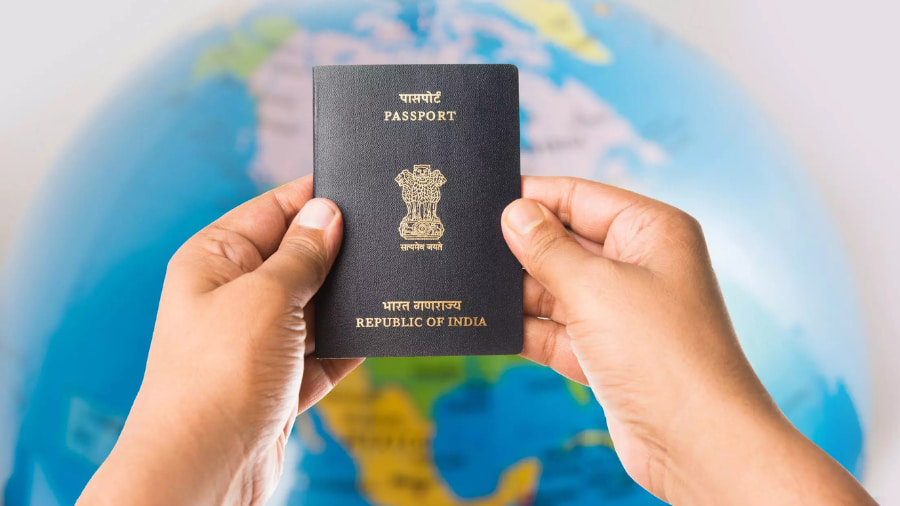
The e-Passports in India physically resemble the old navy-blue passport, except that the back cover will be noticeably thicker as it contains the embedded chip. While the chip cannot be seen, it contains all the required encrypted information, including the biometric data. The Indian ePassport also has the ePassport symbol on the cover, as do the ones for the US, UK, and EU countries.
Who is Eligible for a VIP Passport in India?

VIP passports, also known as diplomatic or official passports, are granted mainly to high-ranking government officials, diplomats, and persons traveling on behalf of the government. These persons include the President, Prime Minister, Cabinet Ministers, and officers in the Indian Foreign Service.
Final Thoughts
The Indian e-Passport for all Indian citizens represents major progress towards a secure, hassle-free, and globally accepted digital identity. Increased adoption of this passport will mean enhanced immigration, more significant protection against identity theft, and an overall hassle-free travel experience. It is one of the key moves of our nation towards a digitalized landscape.