

Top 10 Ancient Lost Cities Of The World

The remains of the lost cities of the world display antiquity and forgotten heritage in the passage of time. Many of them were abandoned, and some were drowned, waiting to be discovered by a nomad, a traveler, or a historian. In the future, our remains will be found too in the tails of wilderness, in the ruins, or in the decayed remains.
As they say, “the civilizations vanish, but their antiquity remains forever”, we have wrapped up the top 10 ancient lost cities of the world that were a significant part of our history. Some of them were a part of legends, and some were lost, but found at last. Here, we explore them.
Table of Contents
List of Ancient Lost Cities of the World
Here is the list of top 10 ancient lost cities of the world that were once considered timeless, but today remain as mere tourist attractions.
1. Caral, Barranca

Caral city is at the top of the list because archeologists have never found any traces of weapons and wars inside it, leading to the conclusion that it was a peaceful city. It covers around 150 acres of the land and is approximately 5,000 years old. Located in the Supe Valley, America, it features complex agricultural systems, commerce, and religious activities, making it an urban, civilized, structured city.
- Location: Supe Valley, Near Barranca Province, America
- Timeline: 3000 BC to 1800 BC
- Cause of Fall: Droughts and climate change
2. Mohenjo Daro
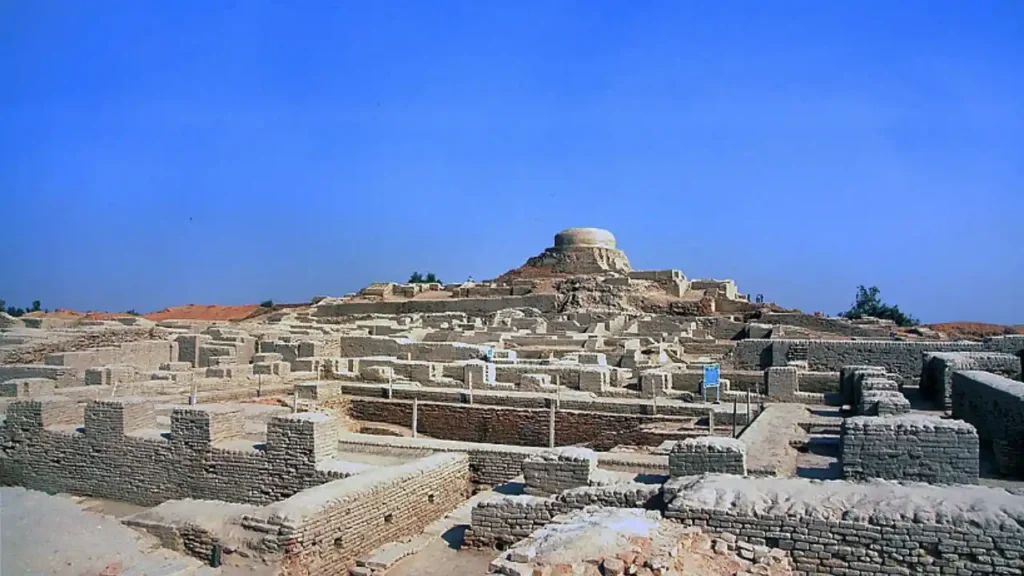
The city of Mohenjo Daro was once a major part of the Indus Valley Civilization, which was home to the Harappans between 2600 BCE and 1900 BCE. It is renowned as one of the urban cities of the world and was rediscovered in 1922 by R. D. Banerji, from the Archaeological Survey of India. It served as the central part of the Sindhi culture and lifestyle, which can be visible in its planned designs of streets and settlements.
- Location: Larkana District of Sindh, Pakistan
- Timeline: 2600 BCE to 1900 BCE
- Cause of Destruction: Floods and climate change
3. Taxila, Pakistan

Takshashila’s archeological evidence can be traced back to the Stone Age, with an indication that the culture and civilization were influenced by both South Asian and Greek cultures. The city consists of its own university, the University of Takshashil, which was a hub for education at that time. It contains the schools of art of Gandhara city and Buddhist stupas, stating the harmonious environment of various cultures. Among the other thriving lost cities of the world, Taxila is a prime example of educational advancement.
- Location: Rawalpindi, Pakistan
- Timeline: 600 BC to 500 AD
- Cause of Fall: Foreign Invasions
4. Troy, Turkey
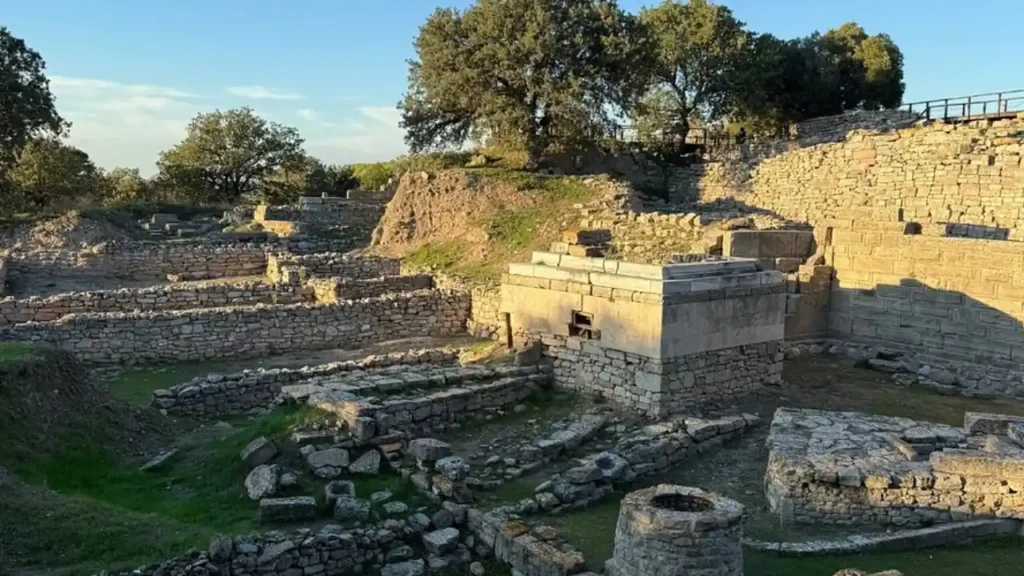
Troy is a famous setting for the Trojan Horse war in Greek mythology. Over the history of 4,000 years, this city is believed to have been discovered by the British archaeologist Frank Calvert around the 1870s. The city of Troy is a UNESCO World Heritage site as it layers 9 distinct stages of destruction and rebuilding in the past.
- Location: Hisarlık, Canakkale Province, Turkey
- Timeline: 3,000 BCE to 500 AD
- Cause of Fall: Violent internal and external conflict, earthquake, and the Trojan War
5. Dwarka, Gujarat
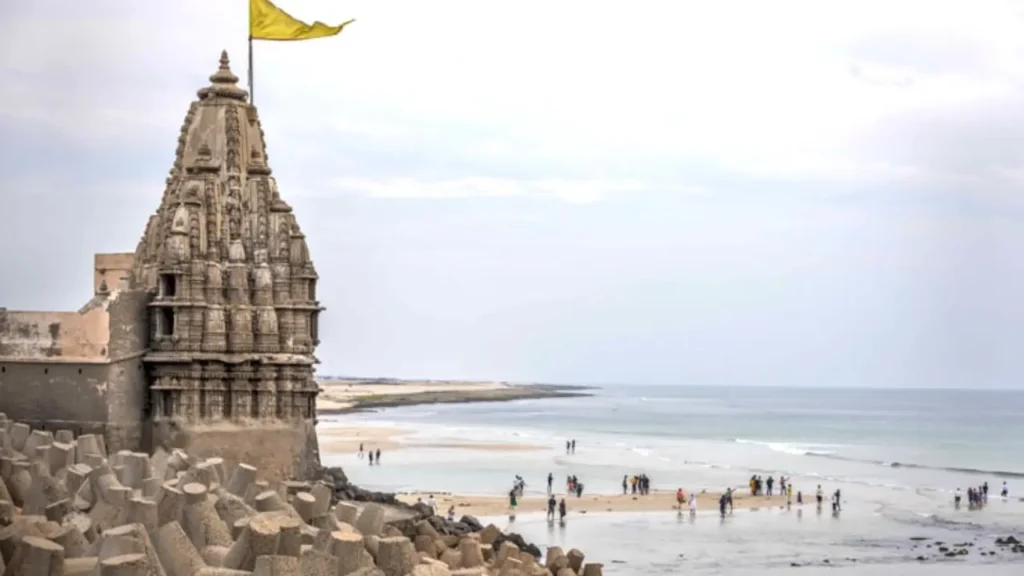
Estimated to have been established in 1500 BC, and this city is believed to be the home of Lord Krishna after the War of the Mahabharata. The city was discovered in the archeological excavations of the 1960s under the supervision of J.M. Nanavati and H.D. Sankalia. It was submerged in the Arabian Sea around the estimated timeline of 1443 BC, making it a perfect lost paradise in the list of our ancient lost cities of the world.
- Location: Arabian Sea, Western Coast of Modern Dwaraka, Gujarat
- Timeline: 1500 BC to 1443 BC.
- Cause of Fall: Risen sea level, coastal erosion, tsunamis, and the mythological curse of Gandhari
6. Memphis, Egypt

Memphis was the capital of Egypt around 3100 BC, which was founded by Pharaoh Menes. It was a global center for political, commercial, and religious activities and was discovered by two archeologists at two different time periods. Clarence Fisher discovered it in the early 20th century, followed by Rudolf Anthes in the mid 20th century. It was named after the Egyptian creator God Ptah and served as the first capital of Ancient Egypt.
- Location: West Bank of the Nile River, Egypt
- Timeline: Founded in 3100 BCE
- Cause of Fall: A gradual fall due to the rise of invasions of the Romans, the rise of Christianity, and Arab invasions
7. Vijayanagara

The city of Vijayanagara was founded in 1336 CE and flourished till the 17th century, just like the other lost cities of the world. It was a major empire in the southern part of India, which was founded by Harihara I and Bukka I, and was an epicenter of trade and culture. The empire was ruled by four dynasties: Sangama, Saluva, Tuluva, and Aravidu, showcasing economic prosperity, religious tolerance, and architectural marvels.
- Location: Ballari District, Karnataka, India
- Timeline: 1336 CE to 17th Century
- Cause of Fall: Battle of Talikota
8. Machu Picchu, Cusco
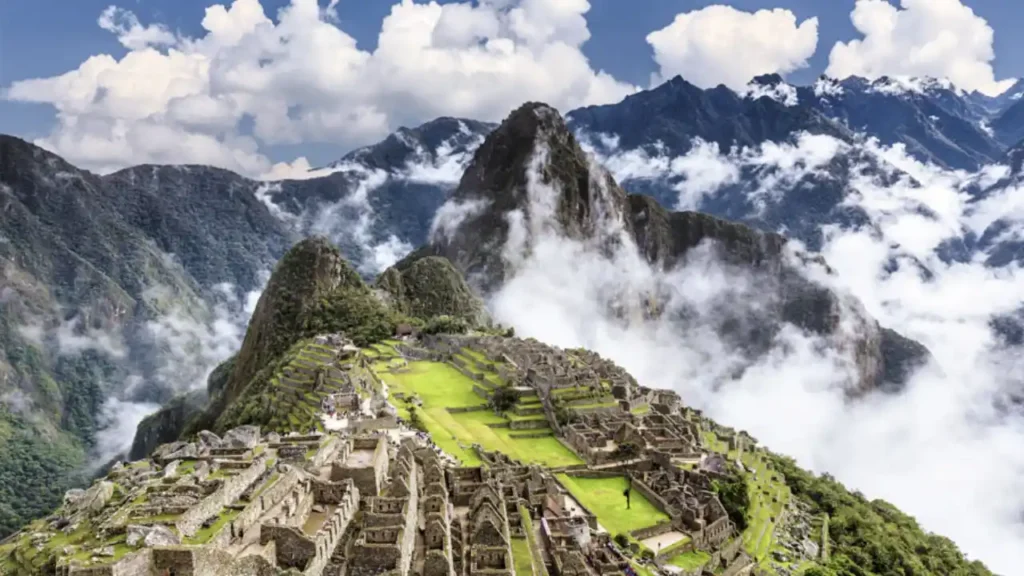
Machu Picchu was discovered by the American explorer Hiram Bingham in 1911. It was founded between the 14th and 15th centuries, serving as a royal estate for the emperor of the Inca. The city features temples, agricultural traces, and stone constructions pointing towards specific engineering methods.
- Location: Eastern Cordillera of Southern Peru, near the Aguas Calientes city
- Timeline: c. 1420 to 1530s
- Cause of Fall: Spanish conquest, diseases, and abandonment
9. Petra, Jordan

Petra is also called the Rose City, which was founded in the 4th century by its first inhabitants, the Nabataeans. Under their rule, it was a trading center featuring houses and temples. It was one of the lost cities of the world until a Swiss explorer, Johann Ludwig Burckhardt, discovered it in 1812. Since then, it has become a tourist attraction and is listed among the UNESCO World Heritage sites.
- Location: Valley of Moses, Southwest Jordan
- Timeline: 4th Century BC to AD 600
- Cause of Fall: Gradual invasion and earthquakes
10. Great Zimbabwe, Zimbabwe

The city of Zimbabwe was a thriving city of trade for the ancestors of the Shona people. The city peaked in the 13th to 15th centuries as it was a global trading center of gold, copper, and iron. Being a home to over 10,000 people, it came to an end in the 15th century due to economic degradation and overpopulation.
- Location: Southeastern Hills of Zimbabwe
- Timeline: 11th to 15th century
- Cause of Fall: Overpopulation and Economic Decline
Conclusion
The ancient lost cities of the world contain the dynasties that echo the ancient stories. Exhibiting the nature of impermanence, they take us on a journey through our past. These discoveries illuminate human ingenuity and resiliency and aid in our understanding of the social, economic, and technological developments of earlier societies. These discoveries encourage modern societies to value and protect our common heritage while also enhancing our understanding of the past.
Also Read – Simple Tricks to Boost Your Laptop Speed Like New