October 25, 2026

DDA Housing Scheme 2026 – Eligibility & Application Process

To make an application for the DDA Housing Scheme 2026, you should be an Indian Citizen, at least 18 years old, and you or your immediate family should not already own a residential property or plot larger than 67 sqm in urban Delhi.
Owning a home in India’s capital is a dream for millions. With property prices climbing every year, the Delhi housing scheme started by the Delhi Development Authority (DDA) remains one of the safest and most cost-effective methods to purchase a house. Over the years, the DDA has built over a million houses across Delhi to fulfill the buying ability of distinct social strata.
The DDA Housing Scheme 2026 presents a range of flats under separate sub-schemes customized to various income groups, ranging from budget-friendly flats under the DDA Nagrik Awaas Yojana and Janta Awaas Yojana to main apartments under the Premium Delhi housing scheme and Towering Heights Scheme.
Table of Contents
Key Highlights of the DDA Flats New Scheme
The flats under the current DDA housing scheme Delhi rollout are allocated across leading industries, including Dwarka, Narela, Rohini, Jasola, and Loknayakpuram.
These units are categorized into different classes to fit different budgets –
1. EWS (Economically Weaker Section) – Pocket-Friendly 1-BHK spaces typically developed with common amenities, usually coming with specific government discounts.
2. LIG (Low-Income Group) – 1-BHK flats suitable for small families seeking practical urban living.
3. MIG (Middle-Income Group) – Ample 2-BHK apartments featuring advanced facilities like lifts, green parks, and dedicated parking.
4. HIG (High-Income Group)/ Penthouses – Premium 3-BHK or bigger flats situated in prime, central connectivity corridors.
Eligibility Criteria for DDA Housing Scheme Delhi
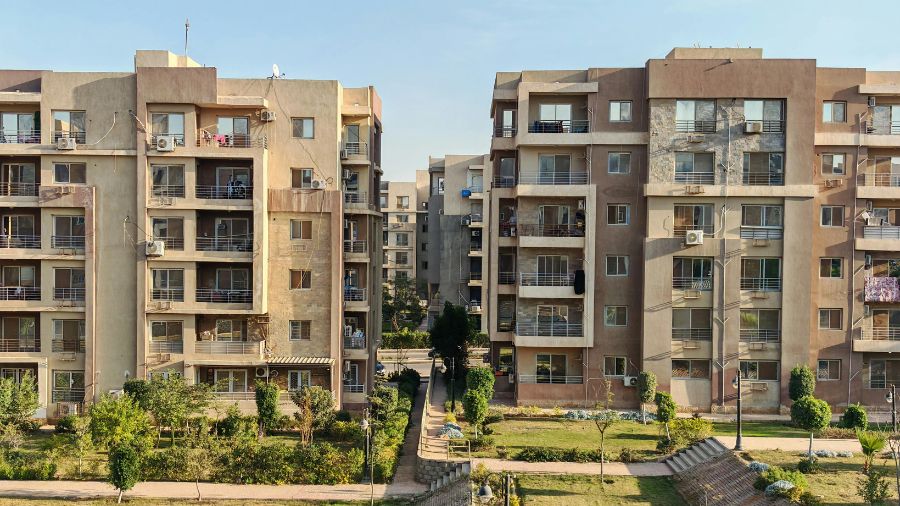
Before you present your application to the DDA housing scheme apply online, you should make sure that you fulfill the stringent prerequisite legal and financial standards specified by the housing authority –
1. Age Limitation – The main applicant should be an Indian citizen and at least 18 years old at the time of form submission.
2. Property Ownership Rule – This is the most vital rule to sidestep rejection. The applicant, or their dependent family members, should not own a residential plot or a freehold/leasehold flat in Delhi that measures 67 sq. meters or more.
3. One Application Per Household – Only one application can be filled out per family unit. However, both husband and wife can apply separately. If both end up winning a flat in the computerized draw, only one flat can be sustained, and the other should be surrendered.
Also Read: Planning to visit Delhi for property-related work? Know how to travel conveniently with a Delhi Metro Card.
Category-Wise Family Income Limits

While there is no maximum income ceiling for booking MIG and HIG categories, the lower-income groups should deliver income evidence fitting into these particular economic bands –
| Category of Flat | Annual Family Income Limit |
| EWS Flats | Total family income should not exceed Rs. Lakh per year |
| LIG Flats | Gross annual family income should be within Rs. 3Lakh to Rs. Lakh |
| MIG & HIG Flats | No particular income bar |
Step-by-Step Guide – How to Apply Online DDA Housing Scheme

The procedure to purchase DDA flats new scheme inventory has transitioned thoroughly from conventional offline physical forms to a clear, 100% online system. Applicants only have to visit DDA offices at the final phase for the physical possession handover and the implementation of the Conveyance Deed.
The functional workflow for the online application procedure moves through a clear sequence.
1. Account Registration – Visit the official DDA at DDA E-Services and go to the User Registration section. Utilize your Aadhaar-linked mobile number and PAN card to make a permanent User ID.
2. Profile Details & Document Upload – Fill in your personal details, permanent address, and active bank account details. This bank account is crucial, as refunds for successful applicants are directly reversed here. Upload scans of your photograph, signature, PAN, and Aadhaar card.
3. Select Dda Housing Scheme and Flat Category – Browse through the active listings, such as First-Come-First-Served choices or active Draw/e-Auction listings. Choose your preferred residential locality and the category of flat you qualify for.
4. Pay the Booking Money/EMD – Produce an electronic challan on the portal and pay the compulsory booking amount or Earnest Money Deposit utilizing Net Banking, UPI, or NEFT/RTGS. Save the electronic transaction slip for future reference.
Booking Amounts and Earnest Money Deposits (EMD)
To filter out casual entries and protect your location in the lottery draw or FCFS cart lock, you should pay an upfront application deposit.
The average financial layout looks like this –
- EWS Category – Rs. 25,000
- LIG Category – Rs. 1,000,000
- MIG/HIG Category – Rs. 2,000,000
What Happens After Allotment?
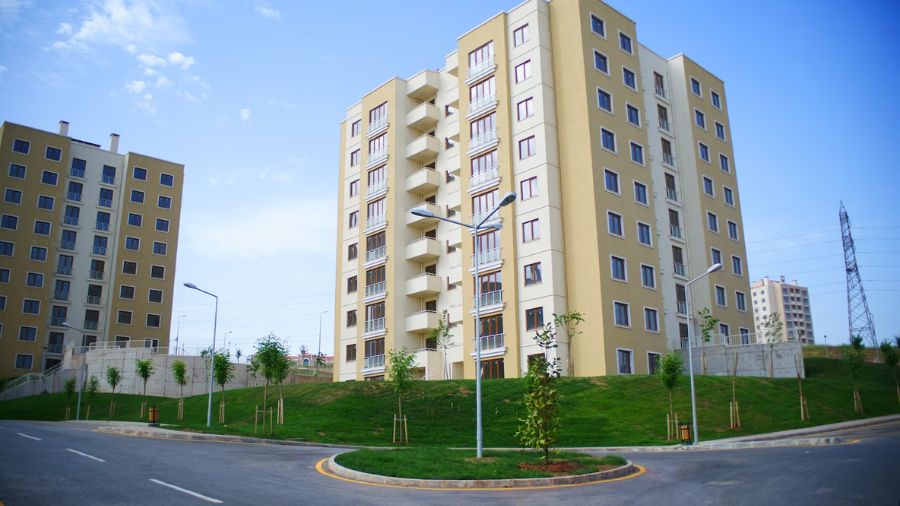
If your name appears in the computerized attraction of lots, or if you successfully freeze a unit during a First-Come-First-Served window, the subsequent processing follows a predictable management timeline –
1. Issuance of Demand-Cum- Allotment Letter – The DDA uploads an official demand letter to your user profile page. This letter specifies the precise breakdown of the remaining flat cost, civic maintenance charges, and the particular payment due date.
2. Arranging Finances and Bank Loans – If you need a housing loan, take your downloaded demand letter and the formal Delhi housing scheme brochure directly to your preferred bank. Most primary public and private industry banks in India recognize DDA property allocations immediately, facilitating seamless loan processing within 2 to 4 weeks.
3. Possession and Conveyance Deed – Once the complete balance is examined by the DDA accounts branch, a technical Possession Letter is given. The allottee then coordinates a physical visit to the site office to review the property keys, verify the construction quality, and implement the final freehold Conveyance Deed.
Fraudulent entities sometimes establish lookalike websites to steal booking payments. Everybody seeking to buy a house is stringently alerted to sidestep unverified third-party connections. Genuine Delhi dda scheme applications, official notices, and payment connections are exclusively managed through the verified portals of the Delhi Development Authority (DDA).
Conclusion
The DDA housing scheme 2026 remains one of the most trustworthy and cost-effective ways to achieve homeownership in Delhi. Whether you’re a first-time homebuyer looking at the budget-friendly EWS and LIG flats under the First-Come-First-Served model, or looking for a premium apartment in Dwarka through the e-Auction portal, the path to success lies in preparation.
Make sure your financial documents, Aadhaar-linked mobile number, and income certificates are completely updated before the delhi dda scheme application windows open. By comprehending the eligibility regulations and following the official step-by-step technical procedure, you can handle the allotments seamlessly and take a confident step toward getting a permanent address in Delhi. Keep a close eye on the DDA E-Services portal for live inventory updates, flat availability lists, and upcoming attractive announcements.
DDelhi helps you stay informed with simple and useful guides about housing and important updates in Delhi.
Also Read: How to Apply a Domicile Certificate in Delhi 2026