October 17, 2026

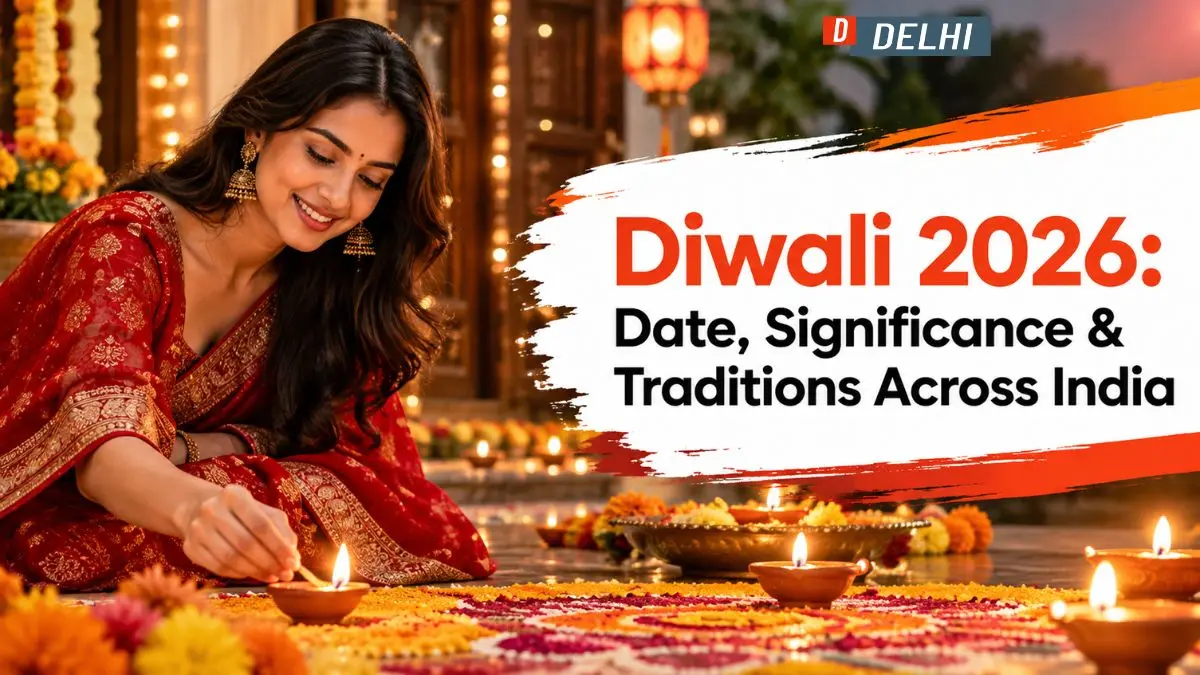
Diwali 2026: Date, Significance & Traditions Across India

Diwali 2026 runs for five days from Friday, November 6, to Wednesday, November 11. The main day of the festival is Sunday, November 8, 2026. Families light diyas, share sweets, and perform Lakshmi Pooja on this day.
Diwali is a joyful Hindu festival of lights that is celebrated on the new moon night of the Kartik month. The main festival day of Diwali 2026 falls on Sunday, November 8, 2026. From the first day of Dhanteras to Bhai Dhooj, families clean their houses, light diyas, share sweets, and worship Goddess Lakshmi for prosperity.
While Diwali traditions in India at every corner are unique, the core meaning stays the same: to celebrate the victory of light over darkness and good over evil. Read on to learn more about this festival and different traditions across India.
Diwali: Celebrating the Festival of Lights
Quick Answer: When Is Diwali 2026?
Diwali 2026 will be celebrated from Friday, November 6 (Dhanteras) to Wednesday, November 11 (Bhai Dhooj). This beautiful 5-day festival is celebrated by millions of people worldwide to mark the victory of light over darkness and good over evil. The most important day of Diwali celebrations will be November 8, as Lakshmi Pooja and other main traditions are performed on this day.
| Key Details | Information |
| Diwali 2026 Date | Sunday, November 8, 2026 |
| Other Names of the Festival | Deepavali, Dipavali, Deepawali, and festival of lights |
| Tithi | Kartik Amavasya (new moon) |
| Amavasya Begins | About 11:27 AM on 8 November |
| Amavasya Ends | About 12:31 PM on 9 November |
| Lakshmi Pooja Time, New Delhi | About 5:55 PM to 7:50 PM on 8 November |
Complete 5-Day Diwali 2026 Calendar
Diwali is not just a single-day celebration; it’s a grand five-day festival. From Dhanteras to Bhai Dooj, every day has a special meaning and rituals. Here is a simple day-by-day calendar of Diwali in India in 2026:
| Regional Names of the Five Days of Diwali in India | ||
| Day | Common Name | Other Names |
| 1 | Dhanteras | Dhanatrayodashi, Dhanvantari Trayodashi |
| 2 | Naraka Chaturdashi | Chhoti Diwali, Roop Chaudas, Kali Chaudas, Bhoot Chaturdashi |
| 3 | Lakshmi Pooja | Diwali, Deepavali, Kali Puja, Bandi Chhor Divas |
| 4 | Govardhan Pooja | Annakut, Bali Pratipada, Padwa |
| 5 | Bhai Dooj | Bhau Beej, Bhai Phonta, Bhai Tika, Yama Dwitiya |
Day 1: Dhanteras (Friday, November 6, 2026)
Dhanteras is the very first day of this five-day festival. On this day, people clean their homes and shop for things like gold, silver, or new steel utensils. People believe that buying these items on this auspicious day brings good luck and wealth to the family.
Day 2: Choti Diwali/Naraka Chaturdashi (Saturday, November 7, 2026)
Choti Diwali marks the victory of Lord Krishna over Narakasura. People light a few clay lamps or diyas outside their doors, wake up early for a traditional bath, and start making colorful rangoli designs at their front doors.
Day 3: Diwali and Lakshmi Pooja (Sunday, November 8, 2026)
This is the main day of the festival of lights India. People across the country wear traditional clothes, light up thousands of diyas, perform Lakshmi Pooja together in the evening, and share delicious Indian sweets with their neighbors.
Day 4: Govardhan Pooja (Tuesday, November 10, 2026)
This day honors the story of Lord Krishna lifting the huge Govardhan paravat to protect villagers from heavy storms. People make small symbolic hills from cow dung to worship, and temples prepare massive feasts (Annakut) for the community. Friends and relatives visit each other to share greetings and sweets.
Day 5: Bhai Dooj (Wednesday, November 11, 2026)
Diwali celebrations end with a beautiful day that celebrates the bond between brothers and sisters. Sisters apply tilak to their brothers’ foreheads and pray for their long lives. In return, brothers surprise them with gifts and a promise of protection.have started celebrating Diwali in recent times, but the beliefs and traditions of rural areas persist.
Why Is Diwali Celebrated?
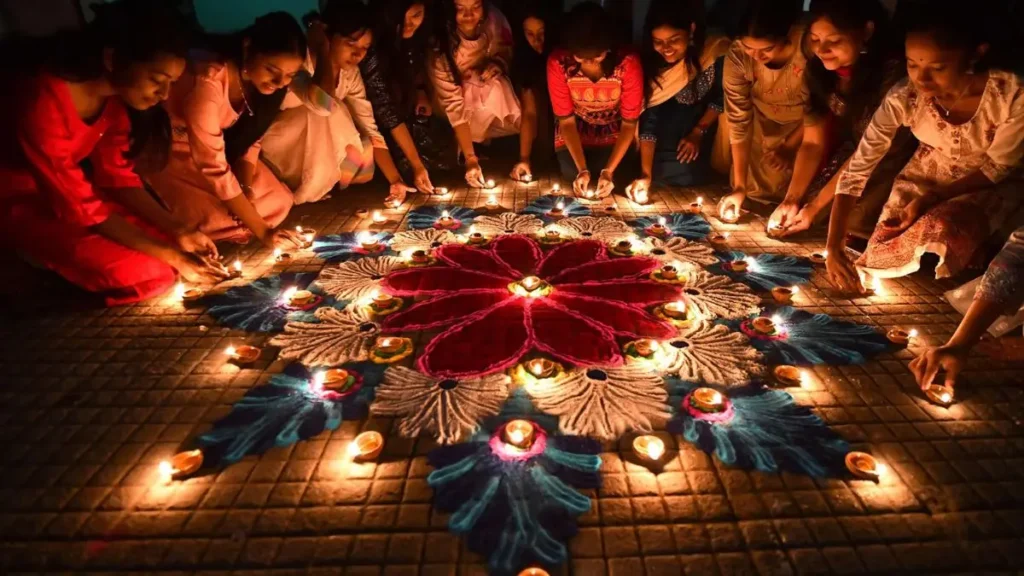
People from different communities and religions celebrate Diwali in India for different reasons. But the main idea is always the same: this celebration remembers that good always wins over evil. Here are the main stories behind this festival:
- The Return of Lord Ram: In North India, people celebrate this day because Lord Rama returned to his home in Ayodhya. He came back after fourteen years of exile in the forest and after defeating Ravana. To show their happiness and welcome him back home, people in Ayodhya lit thousands of diyas.
- Lord Krishna’s Victory: In South India, this festival marks the day Lord Krishna defeated a cruel demon named Narakasura. This victory brought peace and safety back to the world. People celebrate it by waking up early before sunrise, taking an oil bath, wearing new clothes, and performing other rituals.
- Lord Mahavira’s Nirvana: For the Jain community, this day is very special. On this day, Lord Mahavira reached the final state of liberation, called nirvana. Jain families celebrate this day by lighting diyas or small lamps to share the light of his true knowledge and wisdom with everyone.
- Bandi Chhor Divas for Sikhs: Diwali celebrations in India for the Sikh community have a special meaning. They celebrate it as Bandi Chhor Divas and remember when Guru Hargobind Singh Sahib came out of prison. He also managed to set 52 innocent kings free along with him. To mark this happy event, people light up the Golden Temple with many lamps and candles.
- Goddess Lakshmi’s Arrival: According to ancient beliefs, Goddess Lakshmi appeared from the churning of the great ocean during Kartik Amavasya. After emerging from the water with divine treasures, she chose Lord Vishnu, who resides in Vaikuntha, as her husband.
What Is the Significance of Diwali in India?
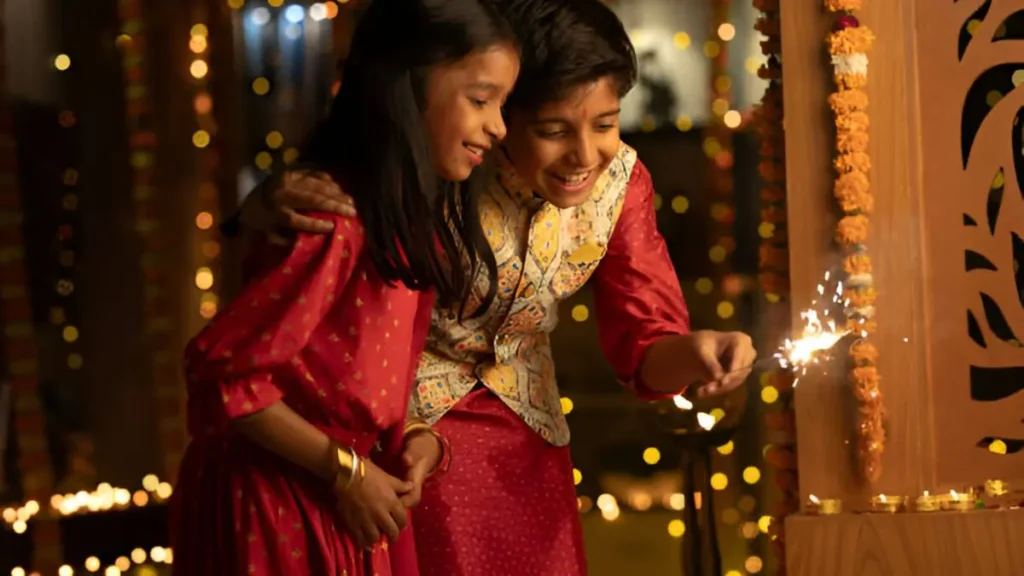
Diwali celebrates the victory of light over darkness and good over evil. Families clean their homes, light diyas, and worship Goddess Lakshmi and Lord Ganesha for prosperity and wisdom. People share sweets, visit their loved ones, and ask for blessings for a fresh start. People keep their homes clean and doors open on the main festival evening to welcome the Goddess. The festival also celebrates Lord Rama returning to his kingdom after 14 years.
Why Are Ganesha and Lakshmi Worshipped?
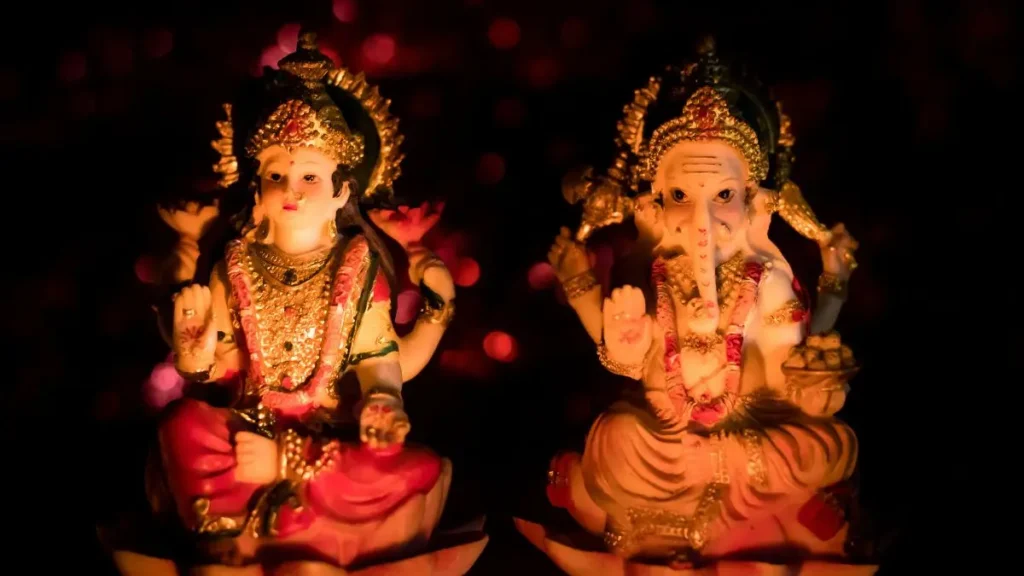
Lakshmi is the goddess of wealth and money, but having wealth without a smart brain can lead to poor choices.
- Balancing Wealth with Wisdom: People across India pray to Lord Ganesha along with Goddess Lakshmi because he blesses us with the right wisdom and smart thinking. So, Goddess Lakshmi blesses us with wealth, and Lord Ganesha grants the wisdom needed to use that wealth responsibly.
- Removing Obstacles to Success: Lord Ganesha is known as the remover of all troubles and bad luck in life. People pray to him first, as he clears the path of difficulties. This makes an easy path for Goddess Lakshmi’s good fortune and wealth to come into our lives.
- Bringing Peace and Harmony: Having wealth alone can’t bring you happiness if you are always stressed and your family is always fighting. Lord Ganesha brings peace and discipline to our mind. Together with Goddess Lakshmi, he makes sure our home is peaceful and truly happy.
How Do Different Regions Celebrate Diwali?
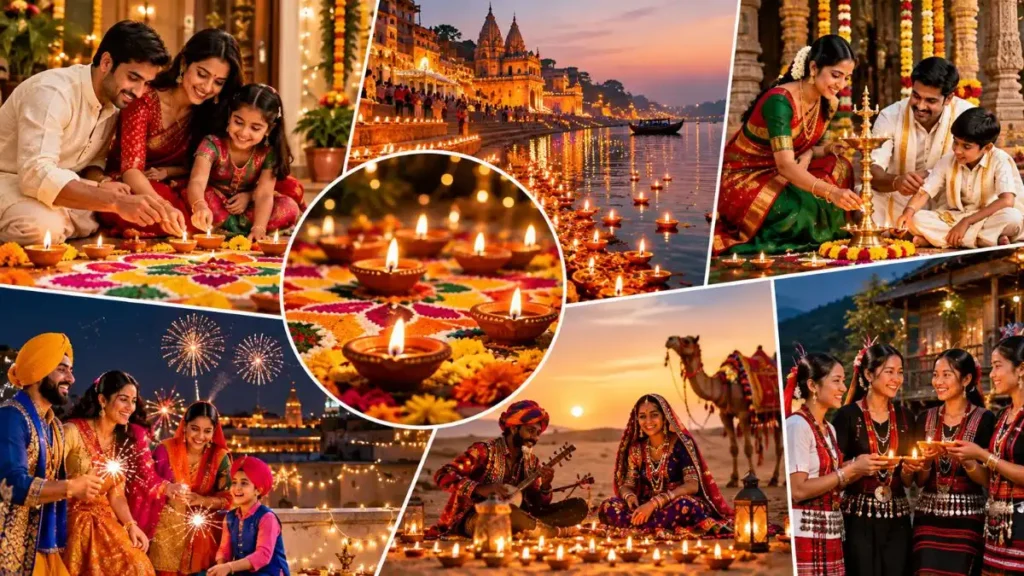
India is a huge country, so the ways people enjoy this festival change across regions. People in different regions celebrate the festival of lights India in a unique way. Here is a quick look at how celebrations differ across various parts of the country:
- North India: People across North India celebrate Diwali in India on the Amavasya evening. Families perform special Lakshmi and Ganesh Pooja, light diyas in their homes, and remember the Ramayana story of Lord Rama returning to Ayodhya after 14 years.
- Tamil Nadu, Karnataka, and Goa: In these southern and western states, the main event happens at dawn on Naraka Chaturdashi. People wake up very early before sunrise to take a traditional oil bath, wear new clothes, and enjoy eating traditional sweets for breakfast.
- West Bengal, Odisha, Assam, and Tripura: People living in the eastern part of the country follow very different Diwali traditions in India on Amavasya night. Instead of praying to Goddess Lakshmi, people here perform grand Kali Pooja in beautifully decorated pandals, homes, and temples.
- Gujarat: In this western state, this festival marks the end of their traditional year. Business owners in the region open new account books with special prayers called Chopda Poojan. The next day is celebrated as New Year, and families visit their relatives and friends.
- Maharashtra: Diwali celebrations in India in Maharashtra actually start a day earlier with a special custom, Vasu Baras, to honor cows. After that, the full five days are celebrated happily. Celebrations end with a beautiful Bhau Beej day to honor the sibling bond.
- Punjab: Local communities in Punjab celebrate the main day of the festival on Amavasya night. They celebrate Bandi Chhor Divas by decorating gurudwaras with thousands of lights, listening to holy singing, and eating Langar together.
- Vraj (Mathura and Vrindavan): These holy towns celebrate the day of Govardhan Pooja with immense love and devotion. Local temples prepare a grand food mountain called Annakut, where 56 different traditional dishes are offered to Lord Krishna to show deep gratitude.
- Bihar and Eastern Uttar Pradesh: Families in these regions do beautiful Lakshmi prayers on the main Amavasya night. The festive celebrations don’t end with this five-day period for the grand Chhath Pooja festival that arrives just a few days later.
Common Diwali Traditions in India
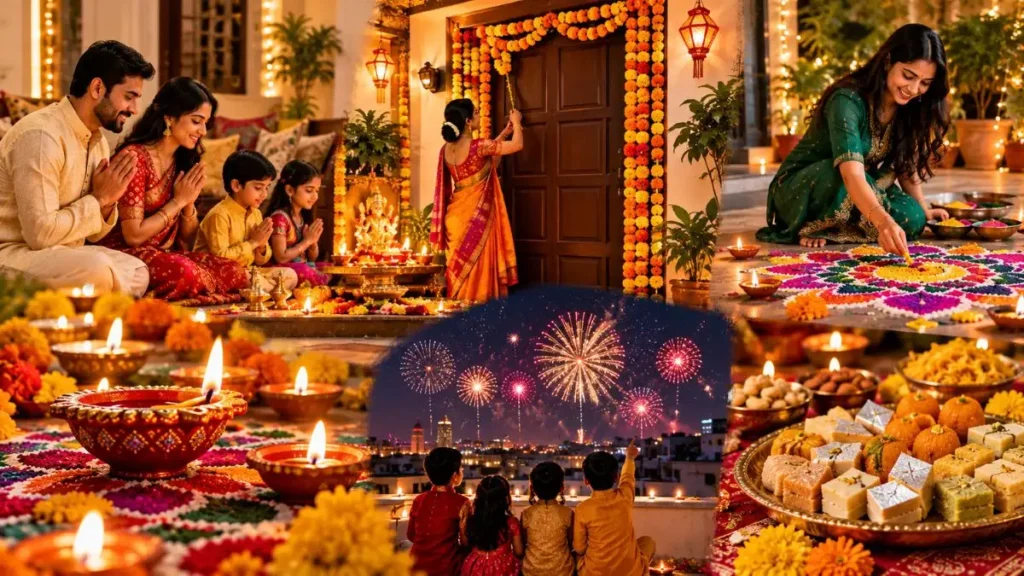
While every state has its own special Diwali traditions in India, there are some rituals that are followed across the country.
Here are the most common among them:
- Lighting Diyas: People light rows of small clay lamps (diyas) filled with oil or ghee around their doors and windows. This traditional light welcomes good luck into the home and shows that knowledge always wins over ignorance.
- Cleaning the Home: Families deeply clean their entire house before the festival weeks start. This is among the Diwali traditions in India followed by everyone across the country. People believe that Goddess Lakshmi only visits clean places, so they clear out all unused or broken items to welcome her.
- Drawing Rangoli: People draw colorful and beautiful rangolis on the floor outside the front door and the house’s entrance. People use bright colors, rice flour, and flower petals to make rangolis and happily greet their guests and Goddess Lakshmi.
- Wearing New Clothes: Everyone who celebrates Diwali at India follows the tradition of wearing new clothes on the main evening of the festival. Wearing new clothes is believed to be a sign of a fresh start and makes the family photos look bright during the festive celebrations.
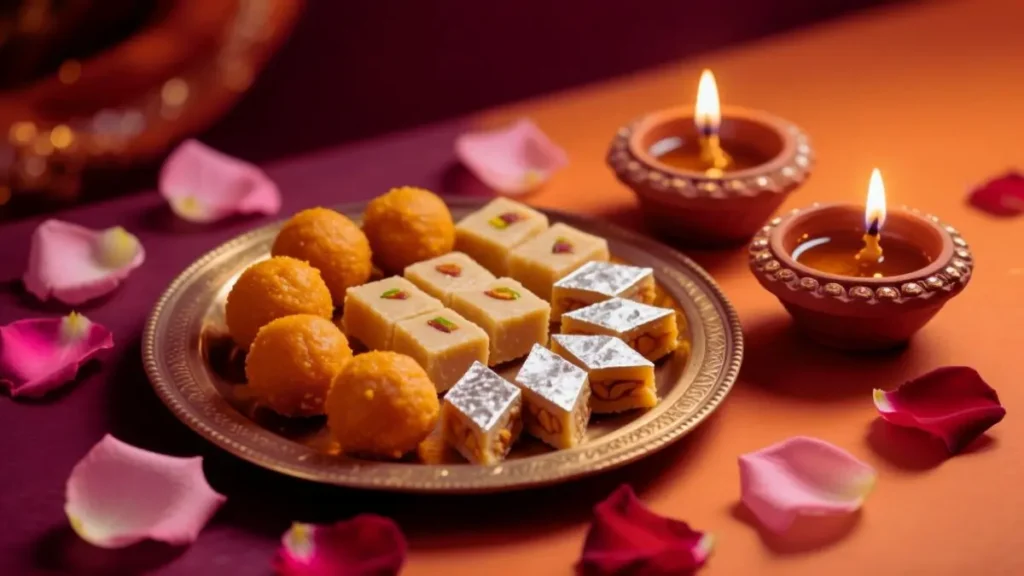
- Sharing Sweets: Families make traditional Indian treats at home or buy large boxes of sweets from local shops. They share these tasty sweets with their friends, neighbors, and close relatives to spread the happiness of the festival of lights India.
- Giving Gifts: Other than sweets, people also exchange gift boxes filled with dry fruits, decorations, and clothes with their family and workers. This is a beautiful way to build strong bonds and show respect to elders and thank everyone for their help.
- Buying Metal on Dhanteras: Buying gold, silver coins, and new steel utensils is among the major Diwali celebrations in India. People believe this brings good luck and keeps wealth inside the house.
- Performing Chopda Poojan: Chopda Poojan is a special prayer where business owners and traders start their new commercial year. Shopkeepers and merchants place their new account books before the gods during prayers and ask for successful business and financial growth in the year ahead. Chopda Poojan is prominent in Gujarat, but Muhurat Poojan is performed in several parts across the country.
- Opening Doors and Windows: Families perform special prayers for Goddess Lakshmi on the main night. People clean their homes and leave all their doors, balconies, and windows open after sunset so she can enter their house without any blocks. This is one of the most important Diwali traditions in India.
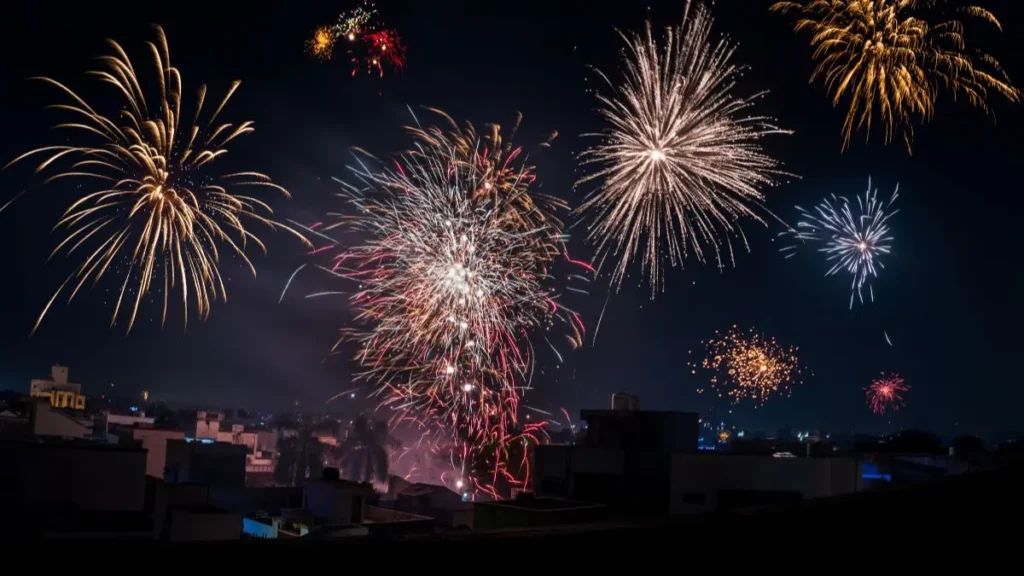
- Bursting Fireworks: People light sparklers, ground wheels, and firecrackers in the open streets after finishing their evening prayers. This is a traditional custom used to show happiness and celebrate joy. Many cities now have rules regarding bursting fireworks to keep people and the environment safe.
Diwali in Delhi
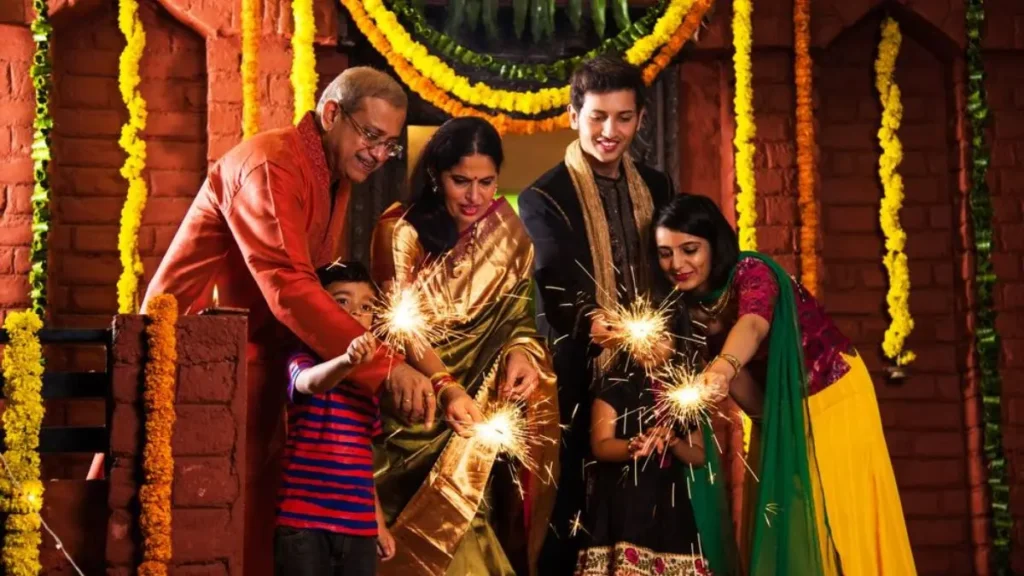
Diwali celebrations in India in Delhi are special. Diwali in Delhi is one of the most magical times to experience the capital city. The entire city gets beautifully decorated weeks before the festival night arrives.
Here is how people in Delhi celebrate the Festival of Lights:
- Shopping at Festive Markets: Delhi is famous for its grand traditional markets and special Diwali bazaars during October and November. People visit places like Dilli Haat or local colony melas to buy handmade clay lamps, beautiful home decorations, colorful clothes, and other traditional items.
- Beautiful Light Displays: Every house, office building, and local street in the city shines with colorful lights and oil diyas. Delhi during Diwali looks like a dream, as the entire city sparkles beautifully after dark.
- Gifting Family and Friends: People gift boxes filled with dry fruits or sweets to relatives, corporate partners, and friends. This is a major tradition of Diwali in Delhi, India. People visit their friends and relatives to exchange gift boxes and spread happiness with everyone.
- Eco-Friendly Green Celebrations: Families gather together in the evening for special prayers for Goddess Lakshmi to bring wealth and health. They decorate their floors with beautiful rangolis and light diyas. Many people in Delhi skip loud crackers completely because of the autumn weather and air quality concerns.
Eco-Friendly Ways to Celebrate Diwali
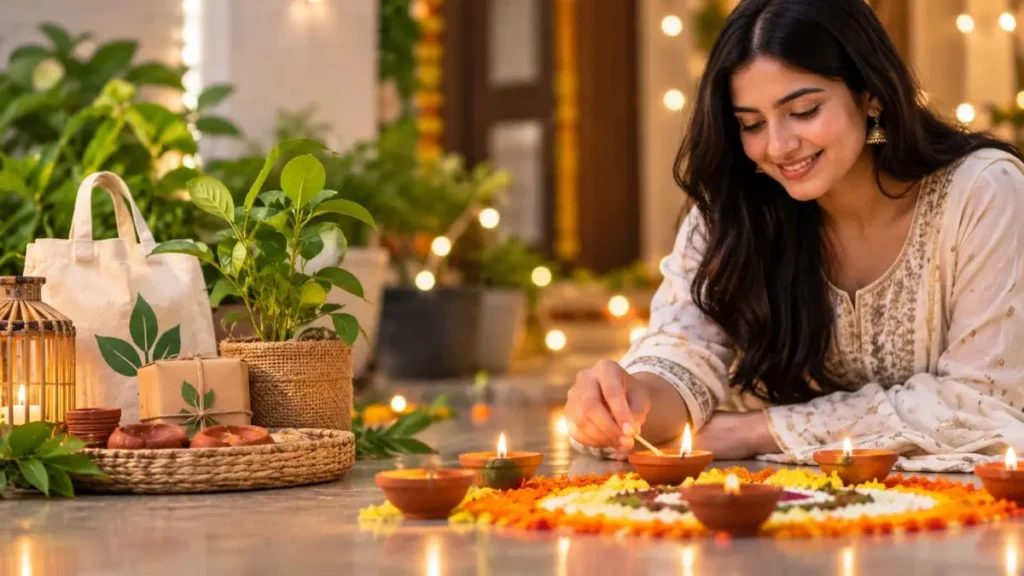
Enjoying the festival doesn’t mean we have to harm nature or pollute our surroundings. More families are now choosing eco-friendly Diwali celebrations in India to keep the environment safe.
- Many choose to buy clay diyas instead of buying plastic lamps. Earthen diyas are biodegradable, look beautiful, and also support local artisans.
- You can use natural ingredients like turmeric, rice flour, beetroot powder, or fresh flower petals to make rangolis. Chemical colors can harm your skin and pollute the ground when you clean them up the next day.
- You can use energy-saving LED bulbs and lights to decorate your home, as they consume much less electricity than traditional bulbs and don’t get heated up quickly and last for many years.
- You should avoid buying loud crackers that cause heavy smoke and noise pollution. By skipping fireworks, you can keep the autumn air clean and prevent stress for street dogs, cats, cows, and household pets.
- When you pack gifts or food for your guests, relatives, and friends, you should use paper bags and cloth wraps. You should avoid using plastic wraps and disposable plates to reduce plastic waste.
Diwali 2026: Welcome Hope and New Beginnings
Diwali 2026 is the perfect time to let go of your worries and fights, so you can welcome happiness into your home. Even though people celebrate it in many ways across India, the main message of love, hope, and joy is the same everywhere. You can choose eco-friendly habits and respect the unique customs of different regions to make this festival more beautiful for everyone. We hope this festival brings wonderful blessings to you and your loved ones!
Also read: 20 Famous Sweets in Delhi You Must Try: Best Traditional Mithai