November 7, 2026

GRAP Restrictions in Delhi: Current GRAP Stage and What Is Banned

CAQM has issued an official order to implement GRAP restrictions in Delhi and nearby areas as a safety step to prevent air from becoming dangerously severe. Most construction and demolition work has now been stopped, major restrictions are being applied to certain vehicles, and this order has also affected school and office operations.
With winter arriving, Delhi’s air pollution is rising fast. Diwali celebrations can add to the rising pollution levels. To prevent the air quality from reaching dangerous levels, the government has officially rolled out GRAP restrictions in Delhi. The GRAP Stage 3 applies strict bans on specific vehicles, stops major construction work, and affects other operations across the city.
As Stage 2 is activated now, daily commuters need to stay updated on major changes. If you are wondering whether your car is allowed on the road or what the other restrictions are, read this guide. Learn about the rules implemented by the current GRAP in Delhi to know what is banned right now.
Table of Contents
What Is GRAP in Delhi and How Does It Work?
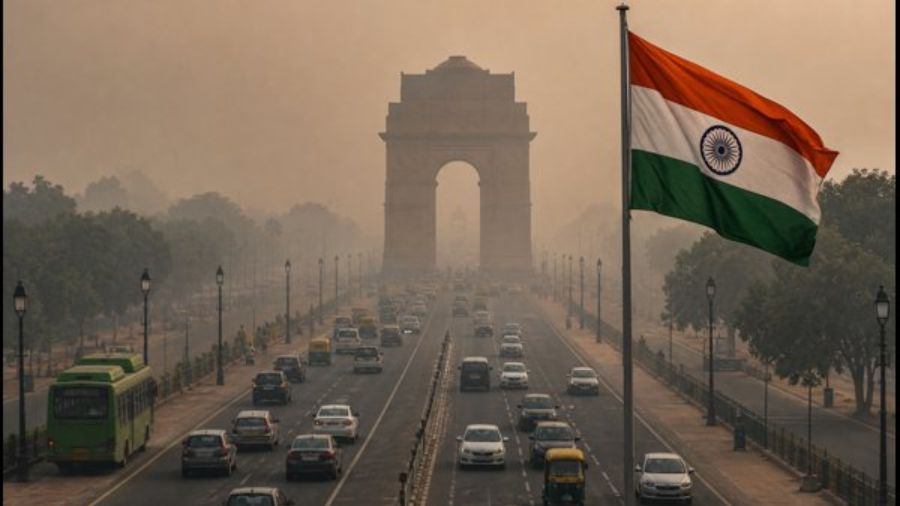
GRAP (Graded Response Action Plan) is a set of emergency anti-pollution measures. These are implemented in Delhi and NCR to prevent air quality from reaching dangerous levels. These were approved by the Supreme Court in 2016 and managed by the Commission for Air Quality Management (CAQM). This plan tracks daily air quality shifts and automatically applies specific restrictions on certain vehicles, construction activities, and other major sources of air pollution.
How GRAP in Delhi Works
- Cumulative Escalation: GRAP stages in Delhi work like steps. This means that as air quality gets worse, a higher stage activates, and all rules from the earlier stages remain in full force while new bans are added.
- AQI-Based Triggers: GRAP in Delhi activates in four stages based on the Air Quality Index score. Stage 1 starts when the air is poor, while Stage 4 restrictions are rolled out when the pollution reaches emergency levels.
- Statutory Enforcement: CAQM manages and strictly enforces GRAP 3 restrictions in Delhi. Breaking these laws leads to heavy fines, vehicle seizures, and immediate closure of polluting factories or construction sites.
Key Details About the 4 GRAP Stages in Delhi
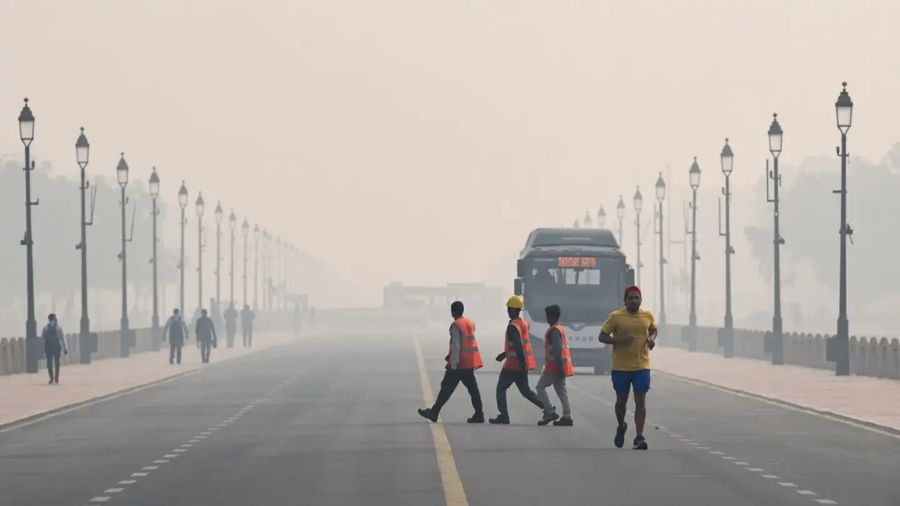
As discussed above, when air quality gets worse, authorities implement GRAP restrictions at different levels to protect public health and reduce toxic smog.
Here are the key details about the 4 GRAP stages in Delhi:
- Stage I: Poor (AQI 201 to 300): At this level, the air becomes unhealthy for people to breathe. This stage focuses on dust mitigation, so workers clean the roads using machines, spray water to settle dust, stop open garbage burning, and enforce strict restrictions on older vehicles and curb emissions from industrial plants and power generators.
- Stage II: Very Poor (AQI 300 to 400): At this level, the air turns much dirtier and harms health. Stage II targeted actions include bans on the use of diesel generators, raising parking fees to make people avoid driving private cars, increasing the number of public buses to help travelers move around the city, and water and dust suppressant sprinkling on pollution hotspots, and others.
- Stage III: Severe (AQI 401 to 500): Air pollution reaches a dangerous and severe state. All non-essential construction and demolition work stops completely, restricts older vehicles, shifts primary schools to online or hybrid modes, and allows public and private offices to operate at 50% strength.
- Stage IV: Severe+ (AQI > 450): This is the highest and most critical emergency level. Heavy trucks are blocked from entering the city, many public and private offices switch to working from home, there are total bans on all construction and demolition work, higher classes shift to online learning, and other emergency traffic mandates are in place.
What Is the Current GRAP in Delhi: Stage III
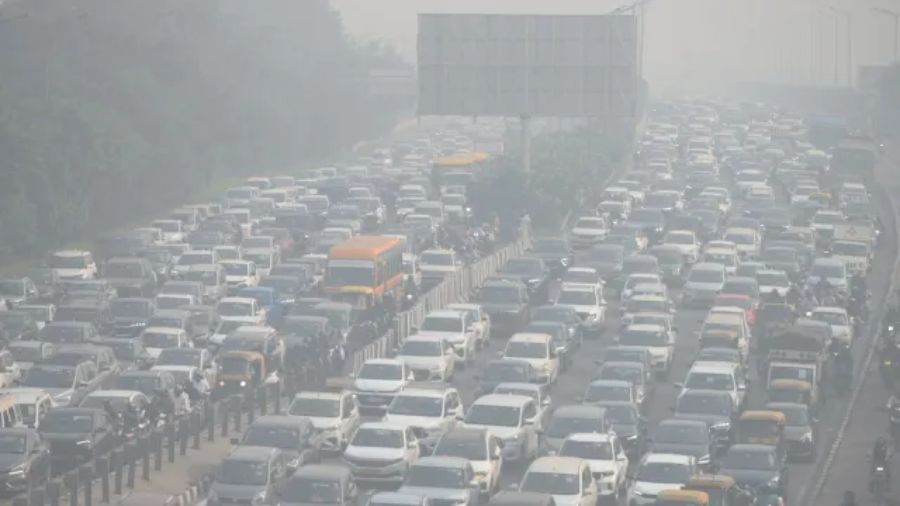
The current GRAP in Delhi, rolled out by CAQM, is Stage III. This emergency plan is implemented to combat heavy air pollution in Delhi and nearby regions.
- CAQM is the official body that controls GRAP. They study daily weather patterns and pollution levels before declaring these emergency stages.
- Stage III is rolled out when the AQI level is between 401 and 450. But the authorities can invoke it early if forecasts show the air quality will worsen soon.
- GRAP 3 restrictions in Delhi and NCR ban demolition and construction activities, like heavy digging and brick kiln operations. This stage will also apply some specific bans in nearby regions, including Rajasthan, Haryana, and UP.
GRAP 3 Restrictions in Delhi: What Is Banned Under Stage III
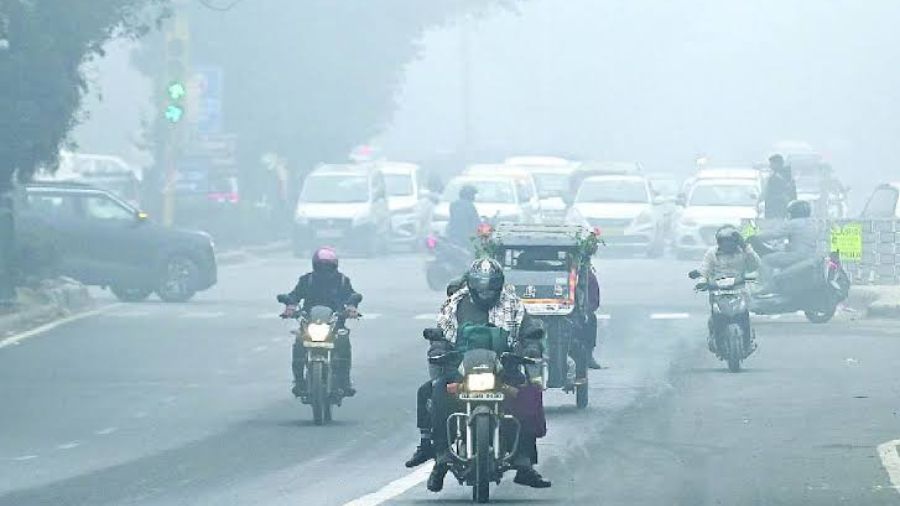
When the air quality in Delhi and nearby cities becomes very dangerous, the government invokes GRAP Stage III rules.
Here are the complete details on what is banned under this special emergency plan:
1. Vehicle Restrictions
- Four-Wheelers: You can’t drive BS-III petrol and BS-IV diesel light motor vehicles (LMVs) in Delhi and NCR regions, including Gurugram, Faridabad, Sonipat, Ghaziabad, and Gautam Budha Nagar. This rule is enforced to keep high-pollution cars off the roads to clear smoky haze.
- Goods Vehicles: GRAP 3 in Delhi also bans medium goods vehicles or light commercial trucks that run on diesel with BS-IV or lower ratings. There is a complete entry ban on these vehicles, meaning these specific commercial trucks and goods vehicles can’t enter Delhi during Stage III activation.
2. Construction & Demolition (C&D)
- Dust-Generating Activities: There is a complete ban on non-essential construction and demolition activities across the entire NCR. All major building demolitions, heavy digging, boring, piling, and open-air cement mixing are strictly stopped. These activities can make regional pollution levels rise much higher very fast.
- Material Transport: Transfer, loading, and unloading of dust-generating materials like cement, fly ash, bricks, sand, pebbles, crushed stones, and others are completely banned now within and outside project sites. Movement of vehicles carrying building supplies and C&D waste on unpaved roads is also blocked.
- Prohibited Work: General brickwork, large masonry tasks, RMC batching plants, major welding and gas cutting, painting and polishing, floor tile and stone cutting, and other activities are also affected by the current GRAP in Delhi. Only special national security, hospital, metro, or public safety projects are allowed to continue under strict dust-control checks.
3. Industrial & Mining Operations
- Stone Crushers: All stone-crushing machines across the NCR must shut down completely. These rock-grinding plants create thick layers of floating mineral dust that can severely affect the air quality.
- Mining & Hot-Mix Plants: All active mining and quarry operations are closed now. Asphalt and hot-mix plants that don’t run on clean-approved fuels are also shut down until the air quality improves.
- Diesel Generators (DG Sets): Restrictions on the use of diesel generator sets, permitted only for designated emergency and essential services.
4. School & Workplace Operational Changes
- Schools: Schools in Delhi and key NCR districts are advised to shift classes for students up to Grade 5 to hybrid and online mode. This keeps small kids safe inside their homes.
- Offices: Government and private offices are encouraged to let 50% of their team work from home and work remotely. Enforcing a 50% WFH rule for public, municipal, and private offices cuts down traffic jams and lowers total vehicle exhaust across the city.
5. Continuation of Earlier Restrictions
All strict pollution controls from Stage I and Stage II will stay active at the same time. This means there is a complete ban on open garbage burning and heavy water sprinkling, and other activities will continue until GRAP 3 in Delhi is activated.
What Is the Role of CAQM in Implementing GRAP 3 in Delhi-NCR?
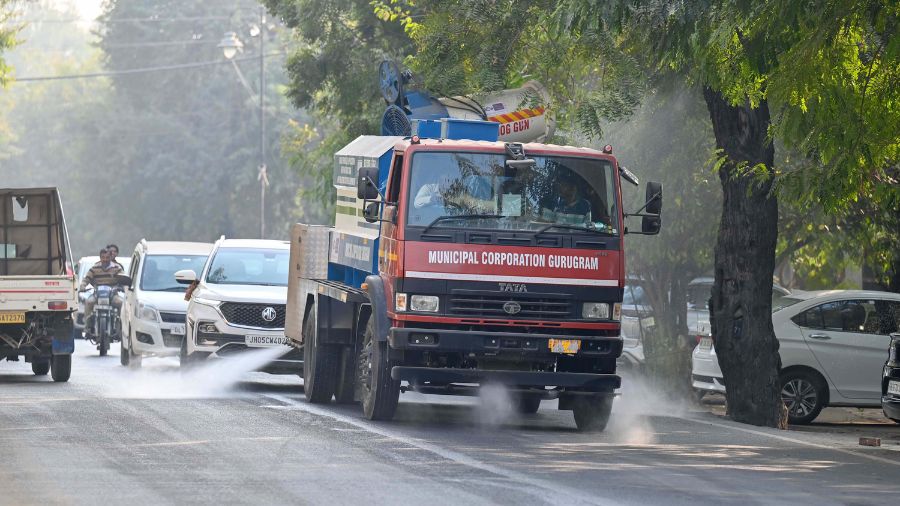
CAQM is a special government team that works to control bad air quality in Delhi and nearby cities. This authority manages and enforces GRAP stages in Delhi to combat rising pollution levels.
- Monitoring Air Quality Levels: The CAQM constantly checks air quality levels from CPCB and other agencies to stop rising pollution levels and enforce strict rules as needed.
- Assessing Weather & Pollution Forecasts: They study daily weather updates, wind speeds, and smoke forecasts from IMD and IITM to predict whether air quality will improve or worsen.
- Deciding When to Activate GRAP Stages: They decide when to invoke each GRAP stage based on AQI levels, pollution, and weather conditions. They act fast to implement emergency plans across the region.
- Working with State Governments & Local Authorities: CAQM works with Delhi, Haryana, UP, Rajasthan, and other local authorities to implement strict measures to combat severe air pollution and protect public health.
- Ensuring Proper Implementation of Restrictions: They make sure the local police and other officers strictly enforce vehicle bans, rules to stop construction work, and other measures. Breaking laws under GRAP stages in Delhi leads to heavy fines.
- Updating & Improving GRAP Guidelines: CAQM constantly updates the GRAP guidelines based on new court guidance and real-world results. They make the system smarter, adjust measures, and change restrictions for better pollution monitoring and control.
Is GRAP 4 Implemented in Delhi Today?
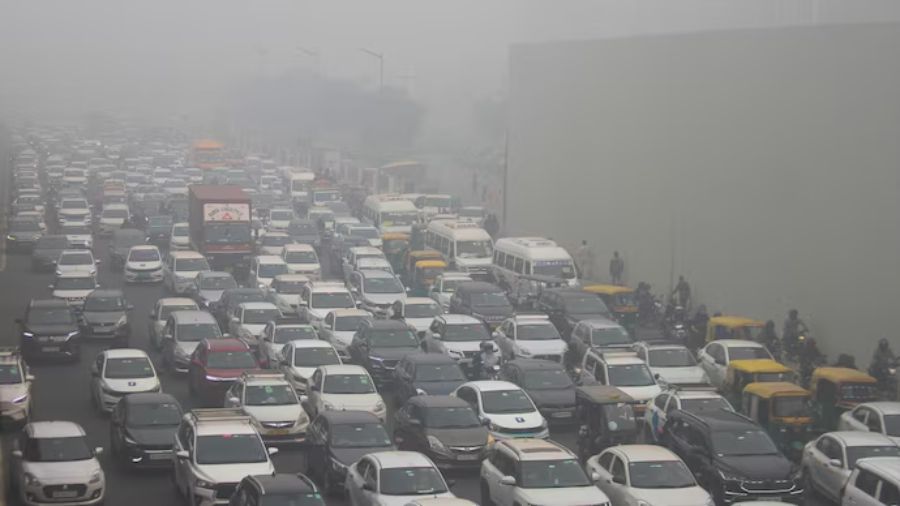
GRAP stage 4 is not implemented in Delhi today. Instead, the CAQM has put GRAP 3 in Delhi into action because the air pollution has become very unhealthy. The government is using these strict rules to stop the dust and smoke from increasing before the upcoming Diwali festival.
- All private construction and building work are completely stopped across the city. Only essential works like the metro, hospitals, and railways are allowed to continue their important work right now.
- Old and highly polluting cars cannot drive on the roads anymore. This ban applies to old petrol cars and diesel cars to stop toxic smoke from making the air worse.
- Young children do not need to go to school because classes up to grade five will now happen online.
Stay Updated on Pollution and Safety Measures in Delhi
GRAP III restrictions in Delhi are an essential safety control to combat dangerous pollution levels. These strict bans target the major pollution sources, like heavy dust and vehicle emissions, older vehicles, mining and construction activities, and others. Wear a mask outdoors and use an air purifier indoors to protect yourself from pollution. Stay updated on the latest news, useful guides, and articles on important city-related topics with DDelhi.
Also Read: Delhi Government Online Services: Complete Guide to Schemes